
Inside Our Brand New Dyno Cell at Avon Tuning Bristol HQ
At Avon Tuning, development is a big part of what we do day to day. As vehicles get more advanced, the way we test and refine our ECU software has to move with it.
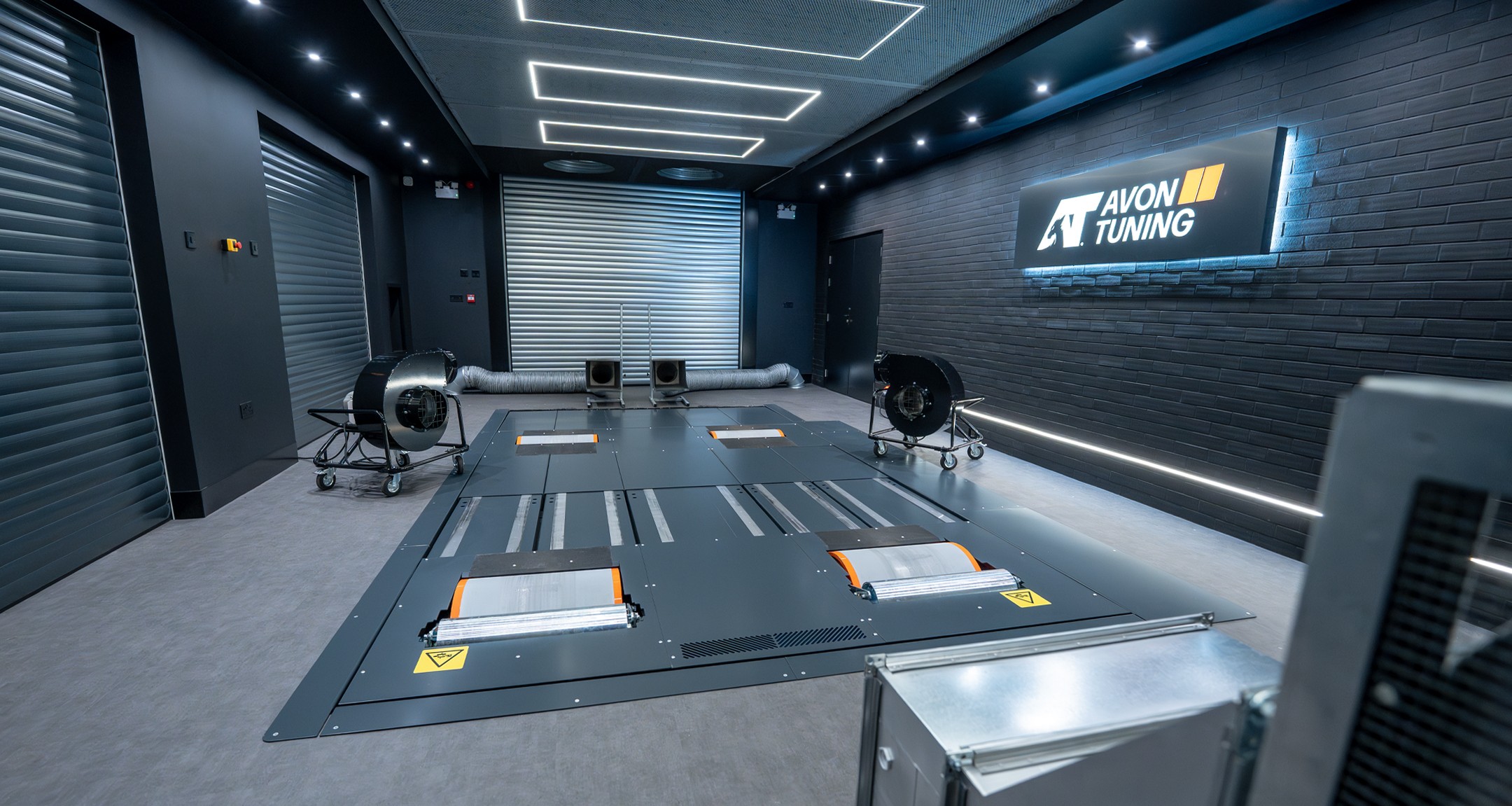
That’s why we’ve invested in a brand new dyno cell at our Bristol HQ, built around the latest Dimsport DF4AR dyno. This isn’t about offering power runs or one-off testing, it’s about giving us the tools to properly develop and validate the tuning files we supply across our network. In this blog, we’ll show you what’s changed and why it matters.
The Next Generation Dyno: Dimsport DF4AR
We’ve been running our previous Dimsport dyno since 2018 and it’s been solid for us, so sticking with Dimsport again was an easy decision. The DF4AR is their latest model and sits right at the top of the range, with improvements across both the hardware and the control side.
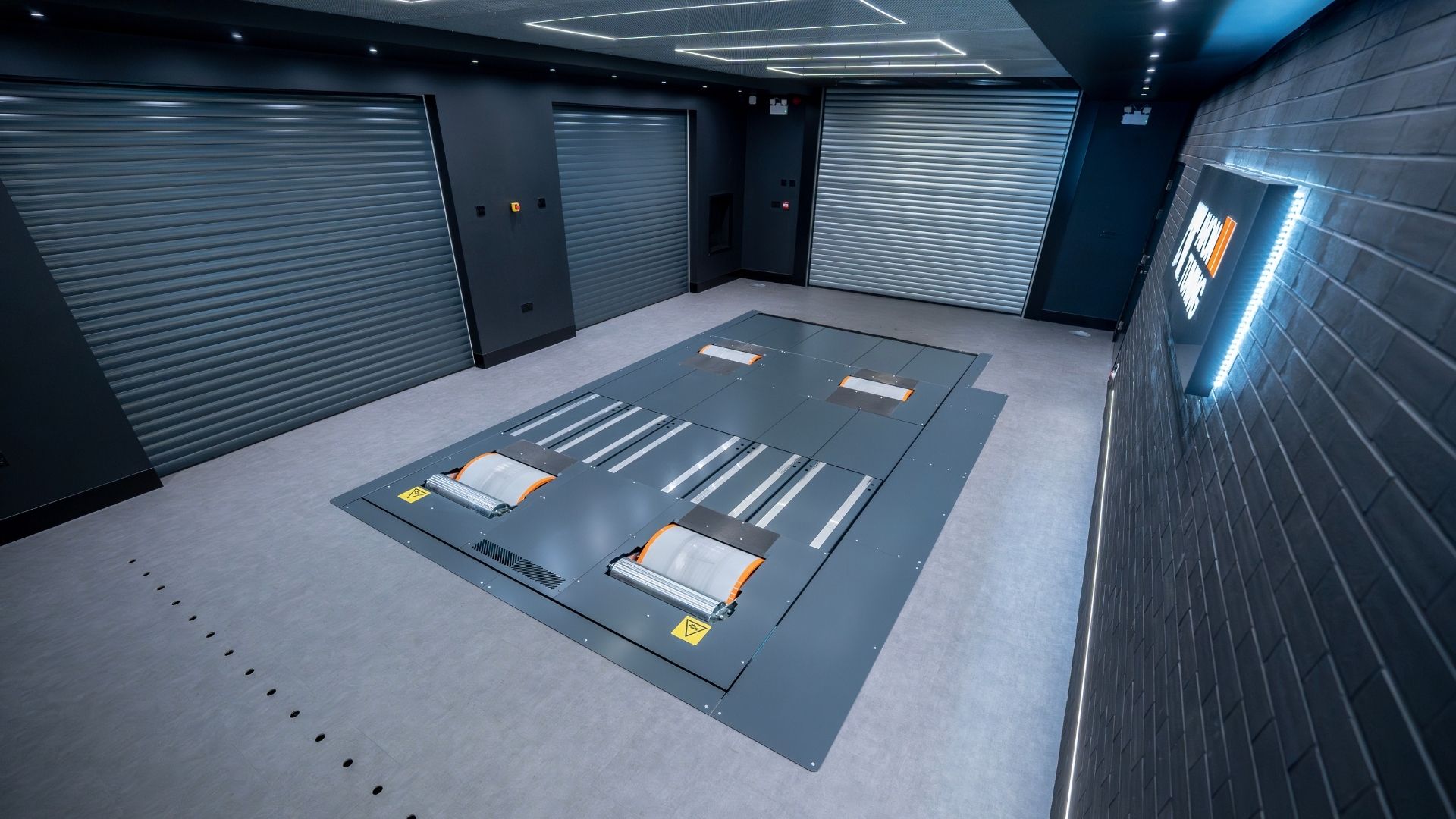
One of the main changes is the move to a single roller setup, along with a fixed shaft linking the front and rear. It gives us better traction and removes a lot of the inconsistency you can get when testing higher torque vehicles. The control system has also been reworked, so the dyno can react quicker and be more precise when testing high performance vehicles.
Better data means better development. That’s what this setup is really about.
Built for Modern Performance Vehicles
Modern vehicles, especially newer petrol, diesel and EV platforms, behave very differently compared to what we were working with a few years ago. Torque delivery is instant, systems are more complex, and everything is more sensitive to how it’s tested.
The DF4AR allows us to test vehicles up to 1180hp and 3200Nm, but more importantly, it lets us do it consistently. That consistency is key when we’re developing and refining calibration files that are then used across our authorised agent network.
A Completely Redesigned Dyno Cell
The dyno itself is only part of it. The environment it sits in plays a massive role in how accurate your results are.
With this new cell, we took everything we learnt from the last setup and improved it. The aim wasn’t just performance, it was repeatability. If we can test under the same conditions every time, we can trust the data we’re working with.
We split the setup into three main areas: temperature control, exhaust extraction and cooling.
Temperature Control & Airflow
Keeping the room at a stable temperature is more important than people realise. Even small changes can affect results.
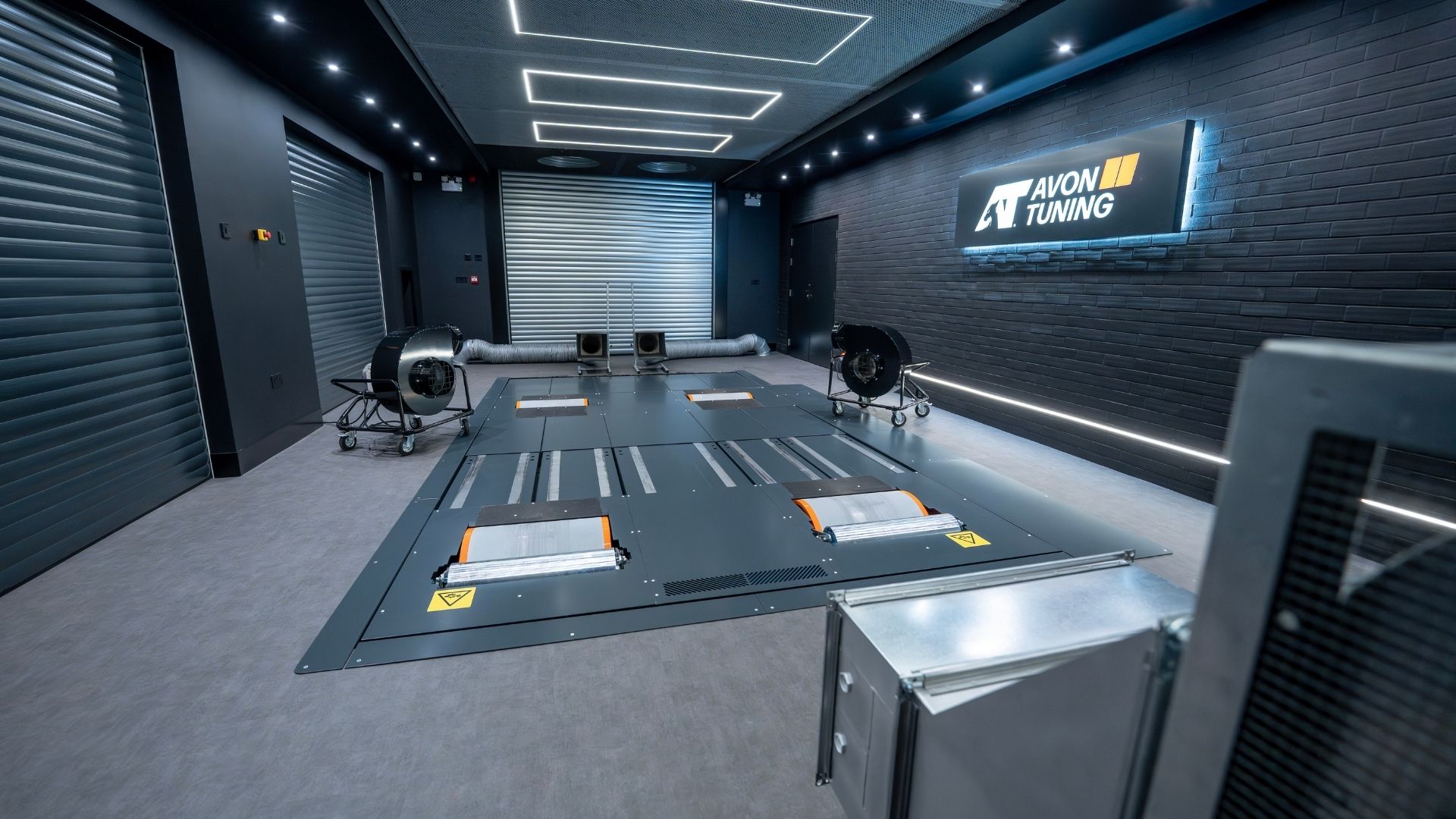
We’ve installed two 5.5kW axial fans moving 33,500 m3 of air per hour. Air is pulled through the front and pushed out the back, keeping a constant flow through the cell so conditions stay consistent while we’re working.
High Performance Exhaust Extraction
With higher power cars, exhaust flow becomes a serious factor. It’s not just about getting fumes out, it’s about handling the pressure and speed they’re coming out at.
We’ve used two high pressure radial fans here, capable of air speeds up to 160 km/h. It means we can safely run high output vehicles without the environment becoming an issue.
Advanced Vehicle Cooling System
Cooling is another big factor, especially when you’re running multiple tests back to back.
We’ve got a 15kW main fan pushing 43,200 m3/h, and because it’s mobile we can position it exactly where it’s needed depending on the vehicle. On top of that, we’ve added smaller high pressure fans to target specific areas like intercoolers or side mounted radiators.
All of this is controlled through variable drives, so we can fine tune everything depending on what we’re working on.
Designed with Practicality in Mind
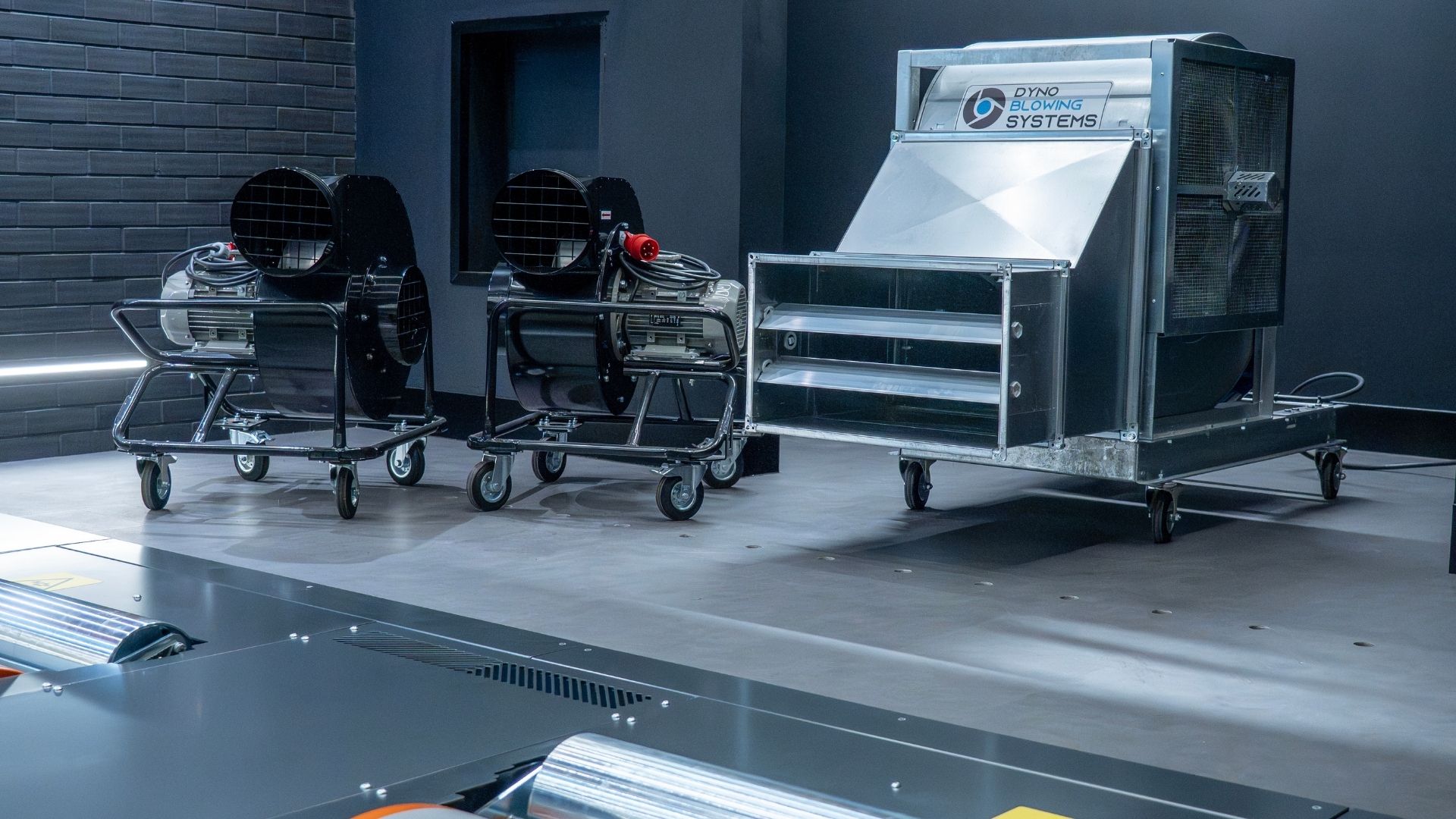
We also wanted the space itself to be easier to work in. The in-ground design gives us more room, and everything from anchor points to control systems has been set up to keep things clean and straightforward.
It might seem small, but when you’re working on development day in, day out, it makes a difference.
What This Means for Our Customers
For us, this isn’t about offering dyno sessions. It’s about improving how we develop and validate the files that go out to our network.
That means when a file is supplied, it’s been properly tested, refined and checked in a controlled environment, not just run once and sent out.
For customers going through our authorised agents, that translates to:
- More consistent performance
- Better drivability
- Safer, more refined calibrations
- Properly developed files, not guesswork
The Future of Performance Testing
As vehicles continue to change, especially with EV and hybrid platforms, having the right setup behind the scenes is only going to become more important.
This new dyno cell gives us the ability to keep developing properly, testing properly, and making sure what we supply is right.
Work With Avon Tuning
If you’re an existing dealer or looking to work with us, get in touch to find out more about our file service.
Dyno Cell FAQ
Do you offer dyno power runs?
No, this dyno is used for in-house research and development to support our file service and dealer network.
What dyno does Avon Tuning use?
We use the Dimsport DF4AR, designed for accurate and repeatable testing during development.
Why is consistency important in dyno testing?
Consistent conditions allow us to properly compare data and refine calibration files safely and accurately.
Can you test electric vehicles?
Yes, the setup supports EV testing, including systems like regenerative braking where required.
What is the dyno mainly used for?
It’s primarily used for research, development and validation of tuning files before they are released to our network.