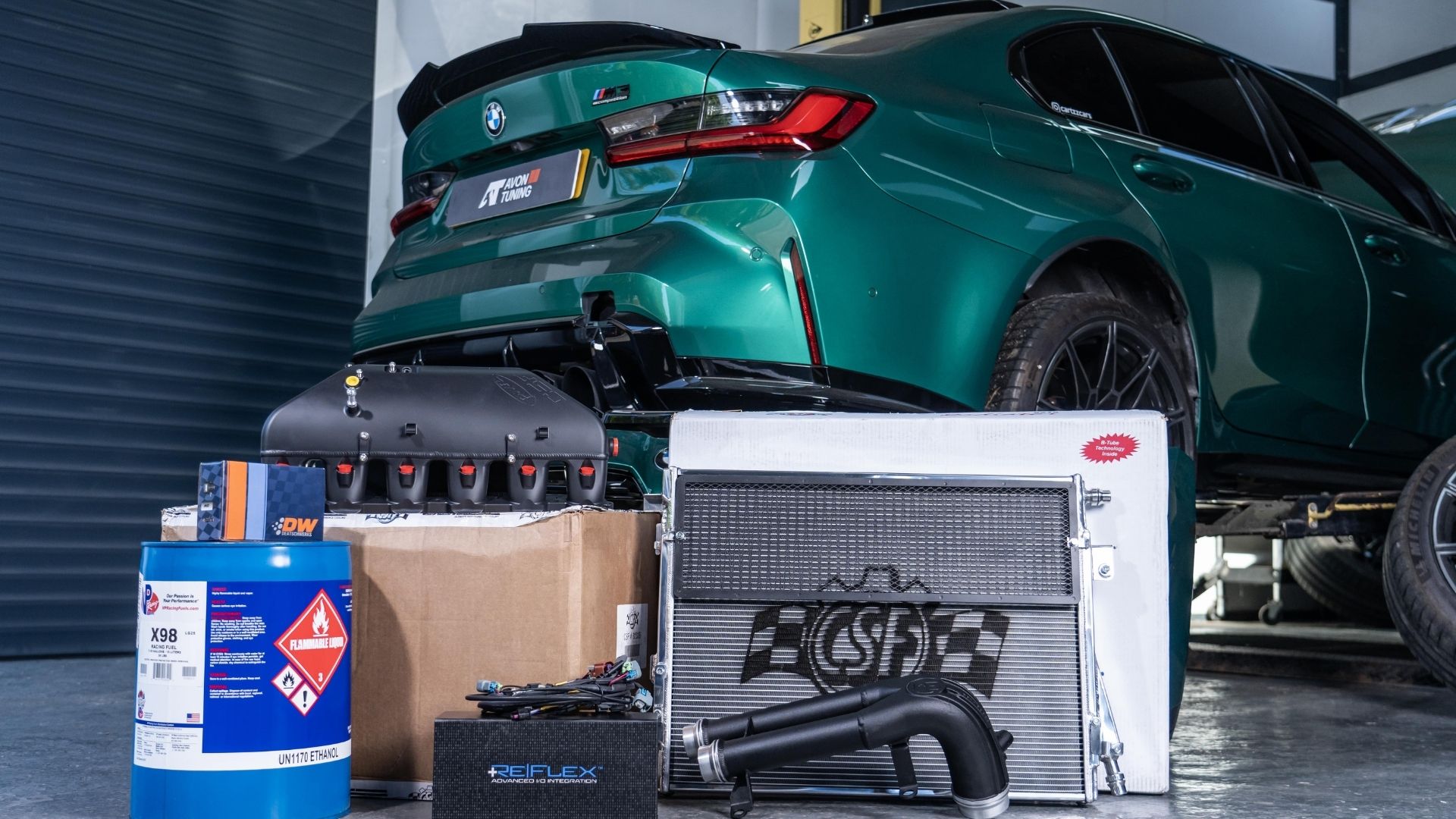
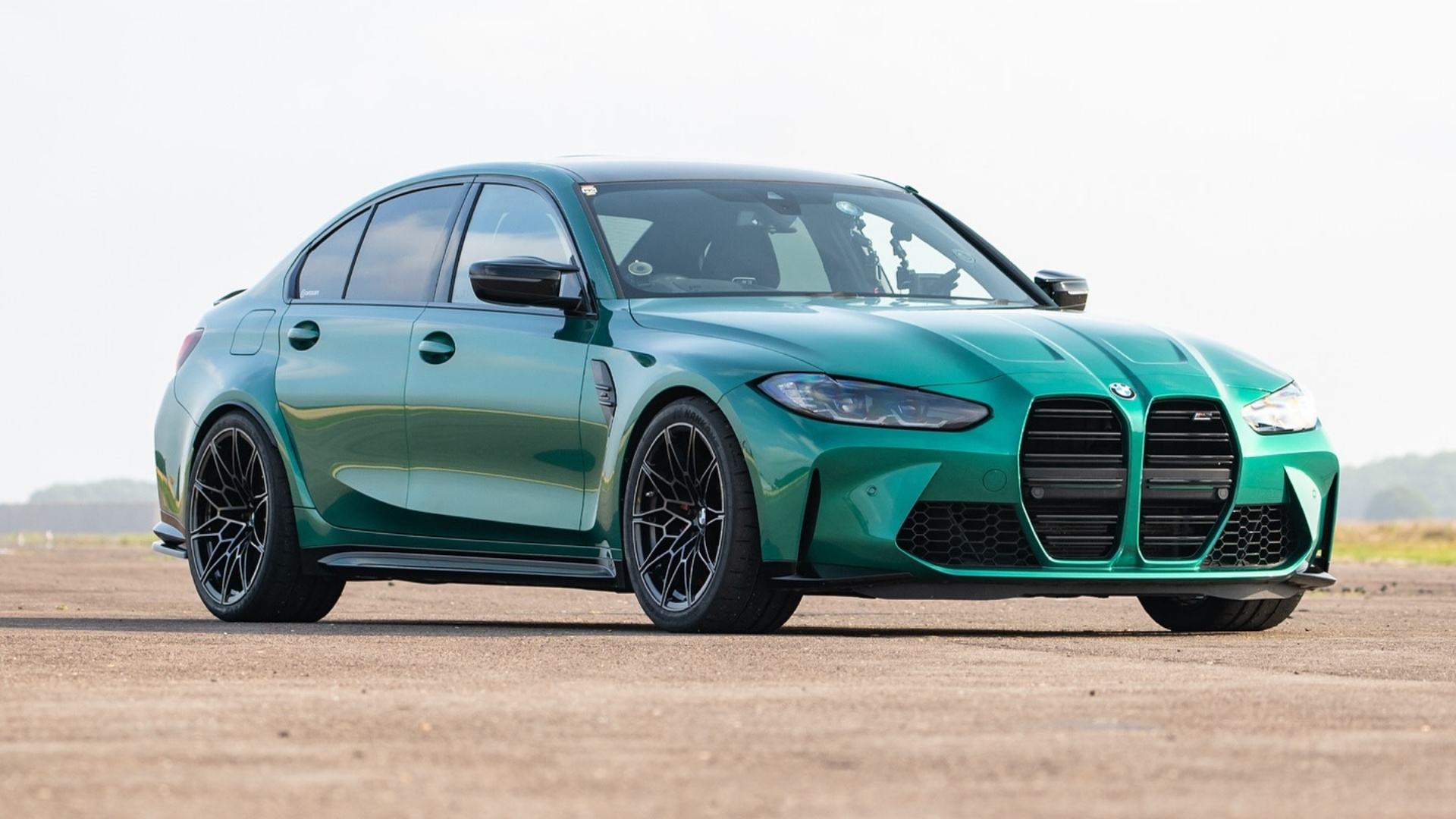
BMW M3 G80 Pushes Beyond 823 HP: Full E85 Fuel System & Cooling Upgrades
Following the huge success of our 823 HP BMW M3 G80 Flex-Fuel build, We went back to the drawing board with one clear objective: push the S58 platform even further.
If you haven’t yet read our original development article, we recommend starting here:
BMW M3 G80 Hits 823 HP
That project proved just how capable the S58 engine is on stock internals with minimal hardware changes. However, during dyno and track testing, we reached a clear limitation — the factory fuel system. To safely unlock more power, higher ethanol content was required, and that meant delivering significantly more fuel volume.
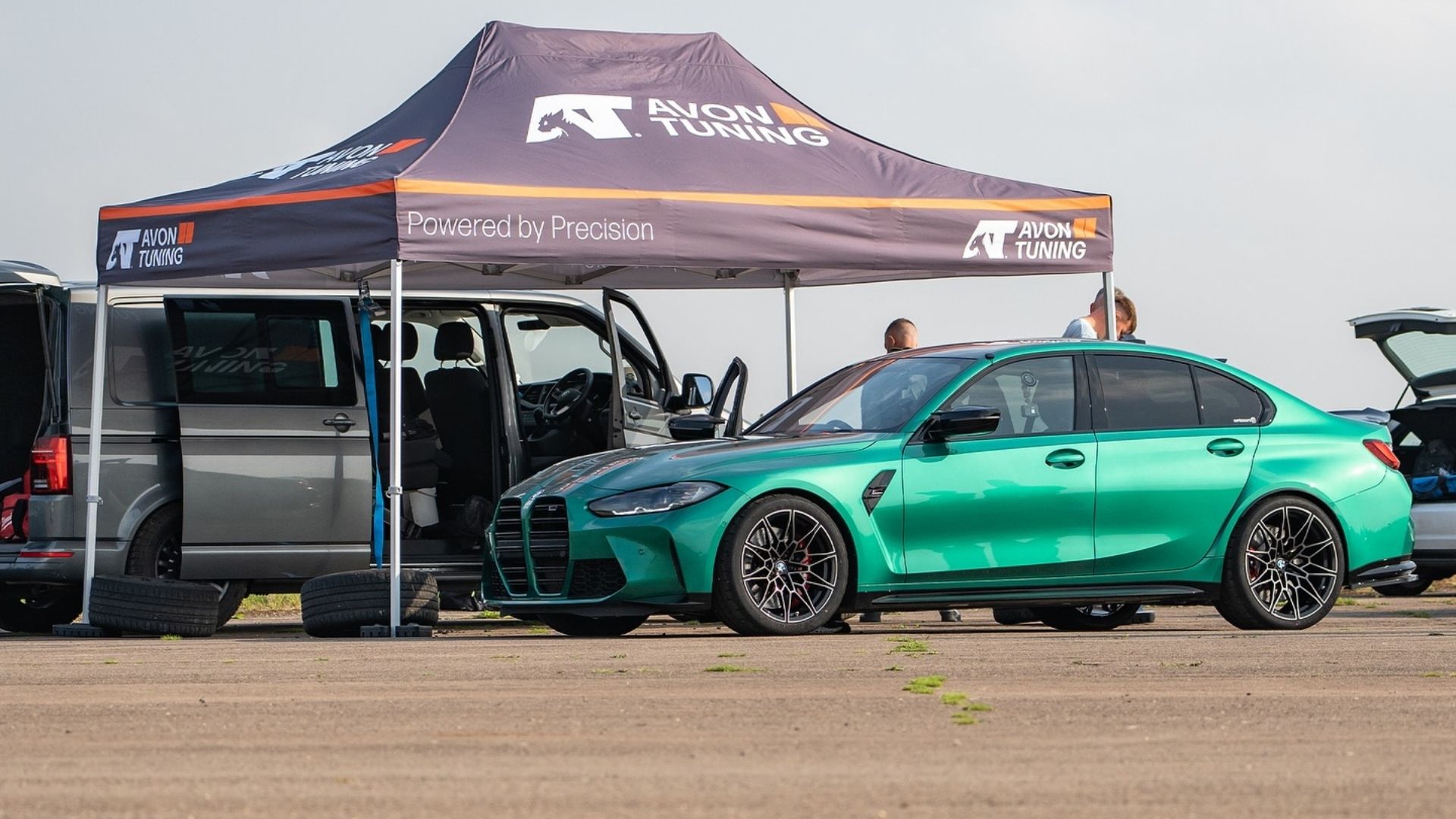
Why the Fuel System Had to Change
Ethanol is exceptional for performance thanks to its high octane rating and knock resistance, but it comes at a cost, It requires substantially more fuel volume per second than petrol.
On our previous setup, E50 proved to be the sweet spot before fuel pressure became the limiting factor. To safely move toward E85, a complete rethink of the low-pressure and supplemental fuelling was required.
Upgraded Low-Pressure Fuel System (LPFP)
To support higher ethanol blends, we installed a PFS in-tank fuel pump, a brand widely regarded as pioneers in ethanol fuel system development.
This upgrade ensures stable fuel pressure under sustained high load as well as consistent delivery at higher ethanol percentages. Without this step, running E85 safely simply wouldn’t be possible.
Port Injection: Adding a Second Fuel Delivery System
The BMW S58 uses direct injection (DI) from the factory. While incredibly effective, Direct Injection alone has limitations at extreme power levels. Which is why for this build, we introduced low-pressure PFS 900cc port injectors via a dedicated port injection kit. This creates a dual-injection system, combining the benefits of both methods.
Advantages to Direct Injection (DI):
- Excellent atomisation
- Precise combustion control
- Limited total fuel volume at high power
Advantages to Port Injection (PI):
- Massive fuel volume capability
- Better cooling of intake valves
- Ideal for high-ethanol blends
This engine now runs both DI and PI simultaneously, allowing us to safely scale power far beyond the factory limits.
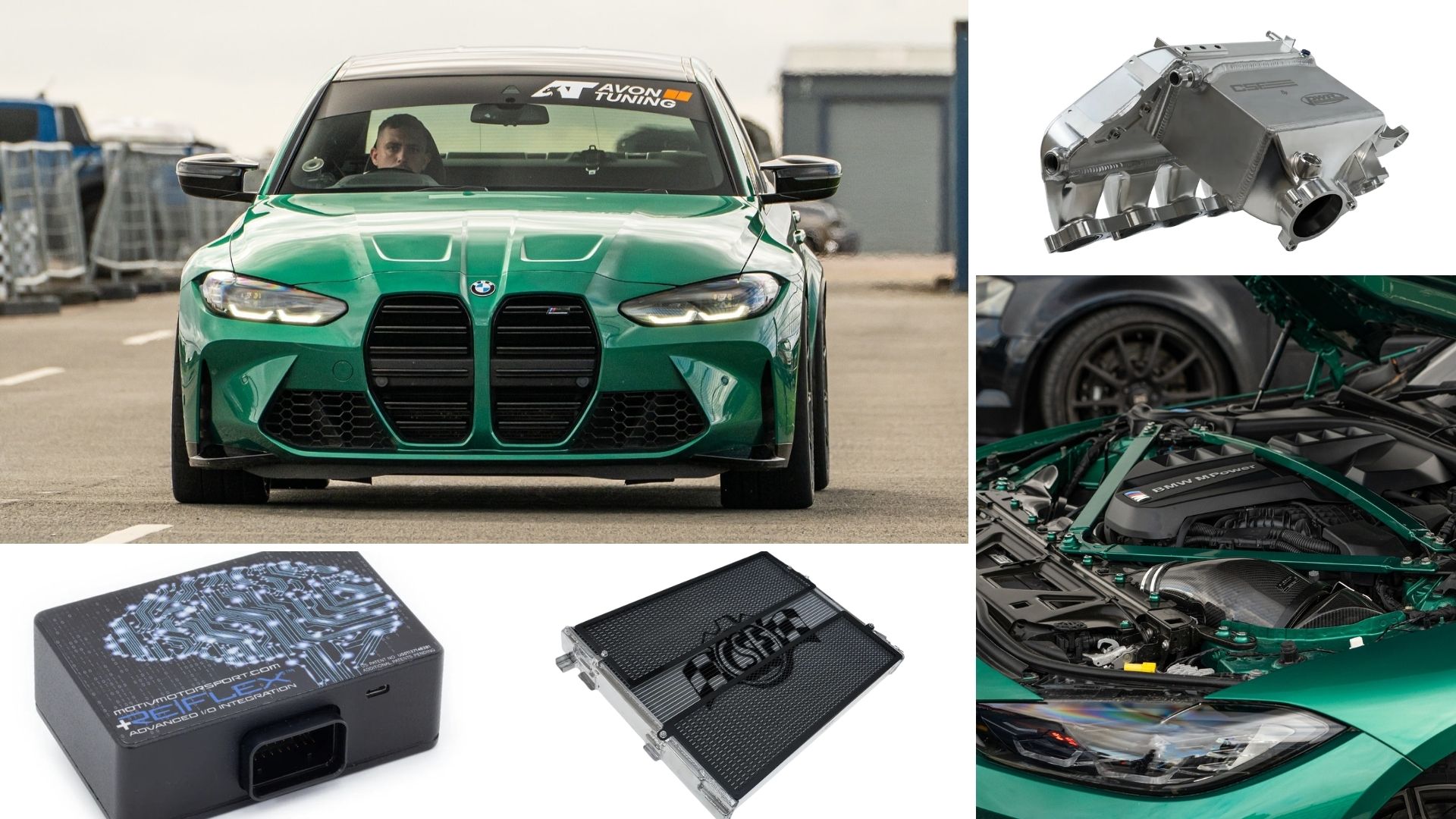
Motiv Reflex: Making Dual Injection Work together
The factory Bosch MG1 ECU was never designed to manage both port and direct injection together and to solve this, we installed the Motiv Reflex port injection controller, a proven solution widely used in high-horsepower builds across the United States.
So, why the Motiv Reflex:
- Integrates with the factory ECU
- Controls port injection independently
- Maintains OEM-level drivability and safety logic
- Allows precise ethanol-based fuel delivery
This controller is essential for anyone pushing modern BMW platforms into serious power.
Intake Cooling Upgrades: CSF Manifold & Charge Cooler
As some of you may know, with power increases, intake air temperatures (IATs) quickly become a major performance limiter. To keep the S58 operating efficiently at elevated power levels, we installed one of the most comprehensive cooling upgrades available, the CSF Intake Manifold & Charge Cooler.
This upgrade is arguably one of the most expensive components on the build, but also one of the most important. Developed in collaboration with PWR and Studio RSR, the CSF manifold utilises Formula 1–grade technology and real-world motorsport experience to address the factory system’s limitations.
Key benefits include:
-
Dramatically reduced intake air temperatures, thanks to a high performance liquid-to-air bar & plate intercooler core manufactured by PWR and pressure tested to an impressive 120psi, ensuring reliability under extreme boost
- Ultra-strong CNC billet aluminium construction, replacing the OEM plastic end tanks which are known to fail at higher boost levels
- Improved thermal stability under repeated pulls, allowing consistent performance without heat soak
- Pre-machined ports for port injection, with injector bungs CNC machined directly into the intake runners for precise fueling when running higher power or ethanol blends
- Integrated KYLEX thermal manifold spacer, which insulates the manifold from cylinder head heat transfer and further helps reduce IATs
- Enhanced airflow efficiency and reduced pressure drop compared to the factory core
Lower intake air temperatures allow the ECU to maintain aggressive ignition timing and boost pressure, which is especially critical when running high ethanol content. Our customer also opted for CSF’s Thermal Black Heat Dispersion coating, which not only improves heat dissipation but also looks absolutely spot on in the engine bay.
Wagner Boost Pipe Kit: Supporting Higher Boost Pressure
While the front end was removed, we also installed a Wagner Boost Pipe Kit to ensure reliability under increased boost. Factory plastic boost pipes are a known weak point at elevated power levels.
Additional Cooling: CSF Radiator Upgrade
To complement the intake cooling improvements, a CSF high-performance radiator was added to help manage overall engine temperatures. As power levels climb, thermal management becomes just as important as airflow and fuelling.
Final Dyno Results: The Numbers Speak for Themselves
With the upgraded fuel system, dual-injection setup, and comprehensive cooling improvements in place, we returned the BMW M3 G80 to the dyno for final validation.
Final Output on E85:
- Power: 849 HP
- Torque: 1026 Nm
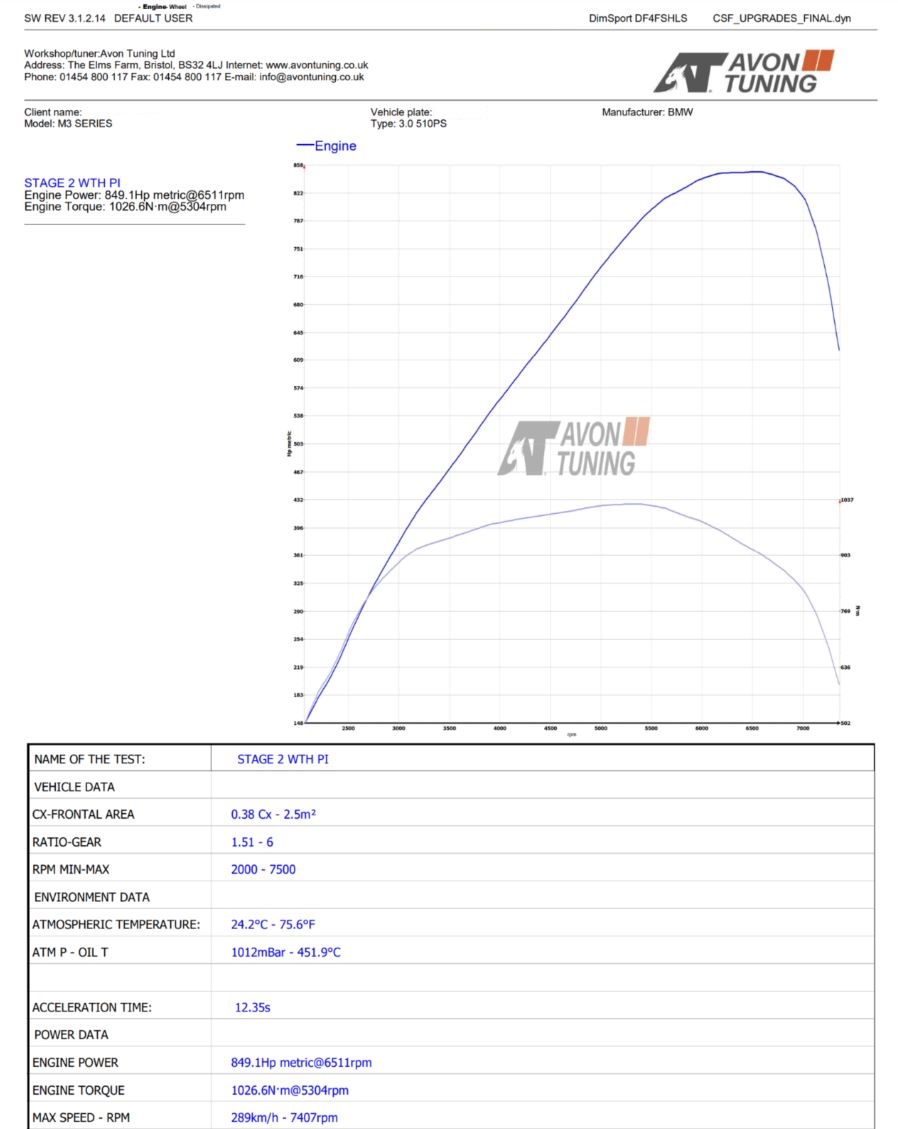
On paper, the increase from our previous 823 HP setup may appear modest. However, it’s important to understand the context behind these results.
Prior to these upgrades, the vehicle was already operating at the upper limits of the factory fuel and cooling systems, effectively capping further safe power increases. With the latest hardware now installed, those limitations have been removed. Intake temperatures are controlled, fuel delivery remains stable at high load, and the engine is no longer being constrained by thermal or fueling bottlenecks.
As a result, the S58 is now cruising at this power level rather than being pushed to its absolute limit. Power delivery is smoother, more consistent throughout the rev range, and repeatable pull after pull — a clear indication that the platform is operating within a much safer and more efficient window.
Most importantly, the current setup provides substantial headroom for future power gains. With the supporting modifications now in place, the next logical step would be turbocharger upgrades, at which point these components are already more than capable of supporting significantly higher outputs.
This build now stands as one of the most powerful and well-rounded BMW M3 G80s we’ve developed at Avon Tuning. And this is just the foundation… do we take it further with turbo upgrades next?